5 Mistakes I Made at My First Artisan Markets (So You Don't Have To)
From flat stall displays to missing business cards — five common artisan market mistakes and how to avoid them based on real experience.

When I first started selling ceramics at artisan markets, I thought the biggest challenge would be making sales.
I quickly discovered that markets involve much more than simply showing up with beautiful products.
Since then, I’ve attended more than 30 markets across London and Surrey with InchyArt. Along the way, I’ve made plenty of mistakes — some funny, some frustrating, and all valuable learning experiences.
If you’re preparing for your first market, here are five things I wish I’d known from the start.
1. Not creating height on my stall
When I attended my first markets, I placed almost everything directly on the table.
The problem? Customers couldn’t easily see many of the products.
Once I started using display risers, wooden crates and different levels, my stall became far more eye-catching. Products at the back became visible, and customers spent more time browsing.
People are naturally drawn to displays with height and visual interest.
My advice: don’t think only about what you’re displaying. Think about how you’re displaying it.
2. Assuming mobile signal would always work
One lesson I learned the hard way was never to rely entirely on internet signal.
Some market locations have weak reception, crowded networks or occasional outages. If your card reader depends on a connection, you could find yourself unable to take payments.
Before every market, I now make sure offline payments are activated on my card reader and payment system.
The last thing you want is a customer ready to buy and no way to process the payment.
3. Not having business cards ready
At the beginning, I focused entirely on selling products.
What I didn’t realise was that many people visit markets to discover businesses for future purchases.
Some customers may not buy on the day, but they might return weeks later, place an online order, book a workshop or recommend you to a friend.
Without business cards, those opportunities can easily disappear.
Even today, I still hand out business cards regularly, especially to people who show genuine interest but aren’t ready to purchase immediately.
4. Bringing products without thinking about customer budgets
When you’re proud of your work, it’s tempting to bring only your larger pieces.
However, markets work best when customers can choose from different price points.
Some visitors may be looking for a small £10–£15 gift, while others are happy to invest in a larger statement piece.
Now I always bring:
- Lower-priced items that encourage impulse purchases
- Mid-range products that form the core of my offering
- A few premium pieces that showcase the full range of my work
This creates options for different budgets and often leads to more sales overall.
5. Not knowing where the toilets were!
This one sounds obvious, but after setting up a market stall, the last thing you want is to realise you have no idea where the nearest toilet is.
Markets can be long days, particularly outdoor events.
Now one of the first things I do when I arrive is locate:
- The toilets
- Drinking water
- The organiser’s stand
- Emergency contacts
- The nearest café
Future me is always grateful.
Final thoughts
Every market teaches you something.
Not every event will be busy, not every product will sell, and not every day will go exactly as planned. That’s completely normal.
The good news is that every mistake helps you improve your stall, your setup and your confidence.
Markets remain one of my favourite ways to connect with customers, meet fellow makers and share the story behind InchyArt.
If you’re thinking about attending your first market, don’t wait for everything to be perfect.
Start, learn, adapt and enjoy the journey.
— Mariya, Founder of InchyArt
More from the Journal
My Favourite Thing About Selling at Markets
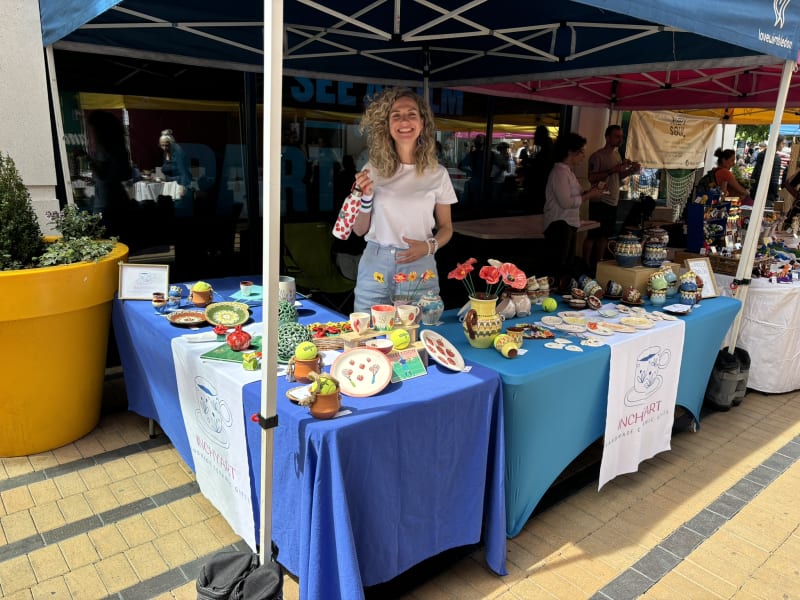
After more than 30 artisan markets, the best part is not the sales — it is the people, the stories and the community that come with every stall.
Read more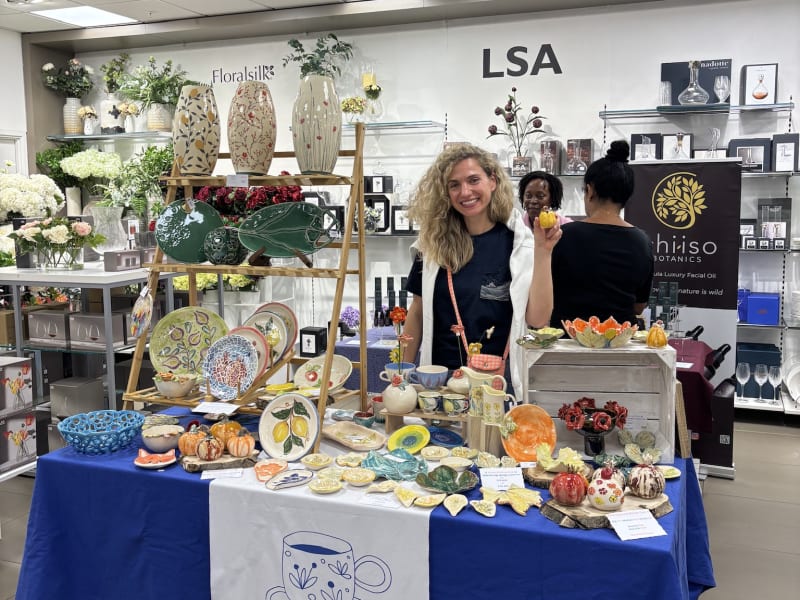
Three Quiet Market Days That Taught Me Important Lessons
Not every artisan market is busy. Here are three quiet days that taught me valuable lessons about timing, location and what really matters.
Read more
Selling at Artisan Markets? Here's What I've Learned
Practical advice for first-time market traders — from stall essentials and display tips to packaging, branding and looking after yourself on long days.
Read more