Stoneware vs Porcelain: A Simple Guide for Pottery Lovers
What is the difference between stoneware and porcelain? A plain-English guide to the two most common ceramics, and how to choose the right one for your home.

If you’ve ever wondered what stoneware actually means, or why one mug feels chunky and earthy while another is fine and translucent, you’re in the right place. Here’s the difference, without the jargon.
What is stoneware?
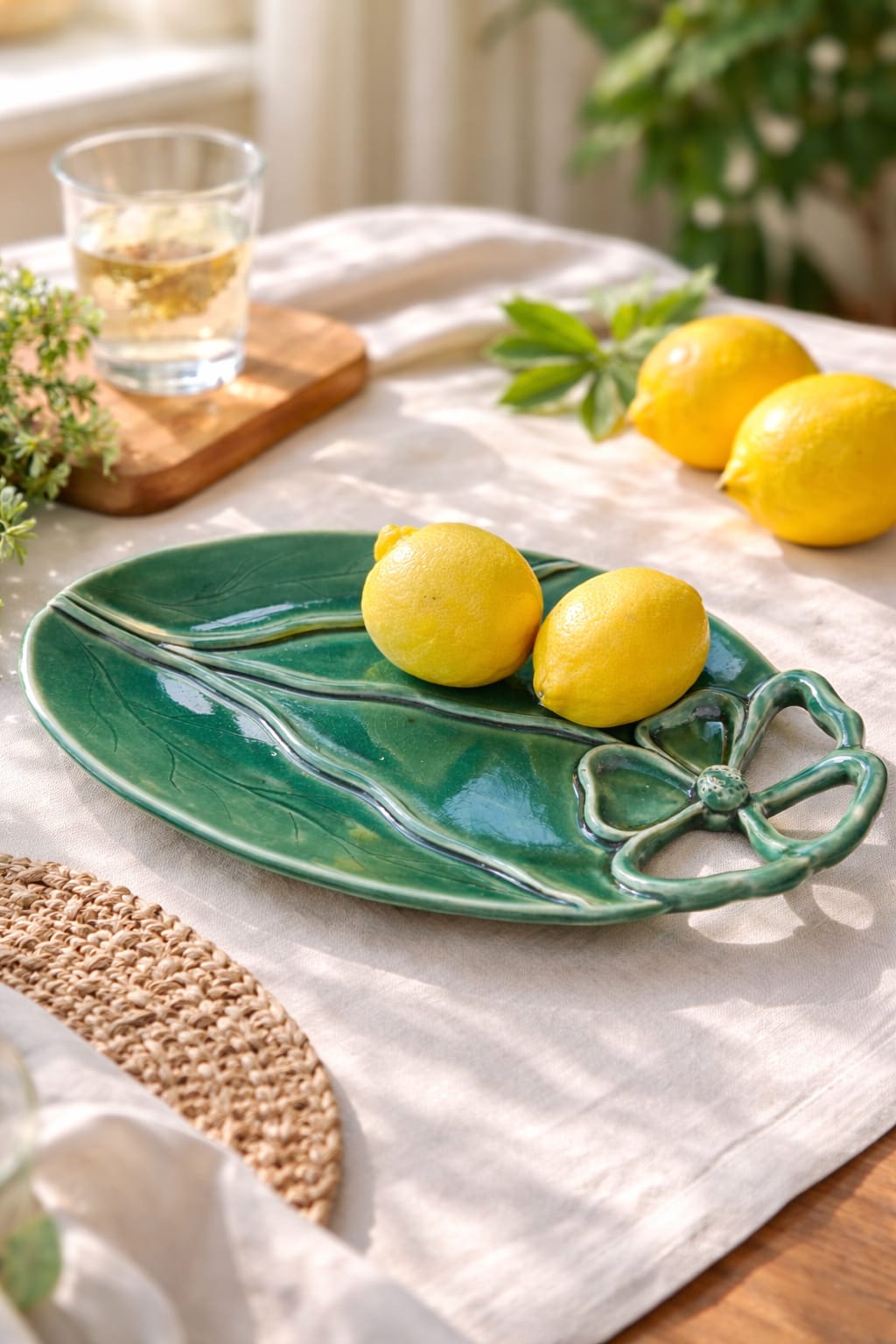
Stoneware is fired at a high temperature (typically 1200–1300°C) until the clay becomes dense, hard and non-porous. It’s known for its durability and warmth — slightly heavier in the hand, with a tactile, characterful surface. Almost everything we make at InchyArt is high-fired stoneware, because it’s made to be used every single day.
What is porcelain?
Porcelain uses a finer, whiter clay fired even hotter. The result is delicate, smooth and often slightly translucent when held to the light. It tends to feel more formal and refined — beautiful, but generally more fragile than stoneware.
How to choose
- Want everyday, hard-wearing pieces? Stoneware is your friend — perfect for mugs, bowls and plates and family meals.
- Want something delicate and decorative? Porcelain shines for fine, display-led pieces.
- Love texture and colour? Stoneware takes glazes in rich, varied ways — it’s why our pieces have such depth of colour.
A note on “handmade”
Whichever body it’s made from, a handmade piece carries small variations — a slightly different curve, a unique pool of glaze. That’s not a flaw; it’s the signature of something made by a person, not a machine. (For keeping any piece in good shape, see our care guide.)
Curious to see the difference in person? Browse the full collection or come and make your own at one of our Wimbledon workshops.
More from the Journal
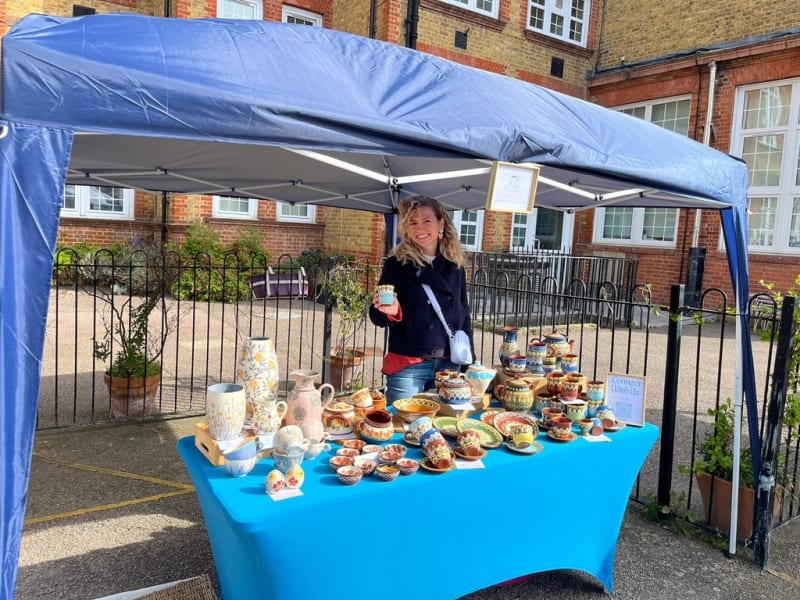
5 Mistakes I Made at My First Artisan Markets (So You Don't Have To)
From flat stall displays to missing business cards — five common artisan market mistakes and how to avoid them based on real experience.
Read more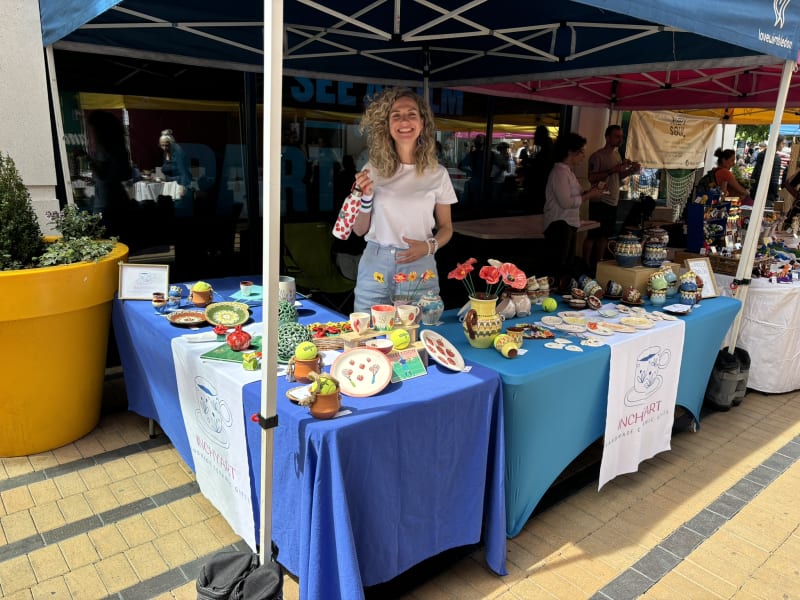
My Favourite Thing About Selling at Markets
After more than 30 artisan markets, the best part is not the sales — it is the people, the stories and the community that come with every stall.
Read more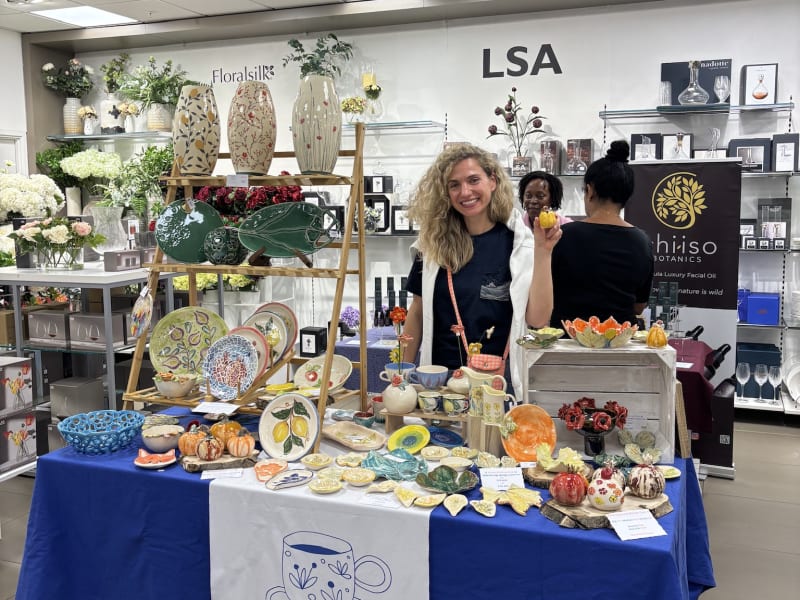
Three Quiet Market Days That Taught Me Important Lessons
Not every artisan market is busy. Here are three quiet days that taught me valuable lessons about timing, location and what really matters.
Read more